Understanding Post-Operative Sleep Requirements
Getting proper rest after eyelid surgery is crucial for optimal healing and achieving the best results. However, sleep positioning matters just as much as the hours you get. At The Seattle Eyelid & Blepharoplasty Center, our board-certified facial plastic surgeons understand that patients need clear, practical guidance on how to sleep comfortably while protecting their surgical results. This comprehensive guide explains the essential sleep positioning techniques, recovery timeline, and answers to frequently asked questions about post-operative care after blepharoplasty seattle.
Why Sleep Position Matters After Blepharoplasty
After eyelid surgery, your eyelids are significantly more sensitive and prone to swelling. The way you sleep directly affects blood flow and fluid retention in the delicate eye area. Gravity plays a major role in post-operative swelling—when your head is level with or below your heart, fluid naturally accumulates around the eyes, prolonging recovery and potentially compromising your results.
In Seattle's climate, maintaining proper head elevation becomes even more important. The cooler temperatures can affect circulation, making it essential to follow elevation guidelines strictly. Improper sleep positioning can lead to increased bruising, prolonged swelling, and delayed healing. Your facial plastic surgeons recommend prioritizing head elevation as one of the most important recovery steps.
The Best Sleep Position: Head Above Heart
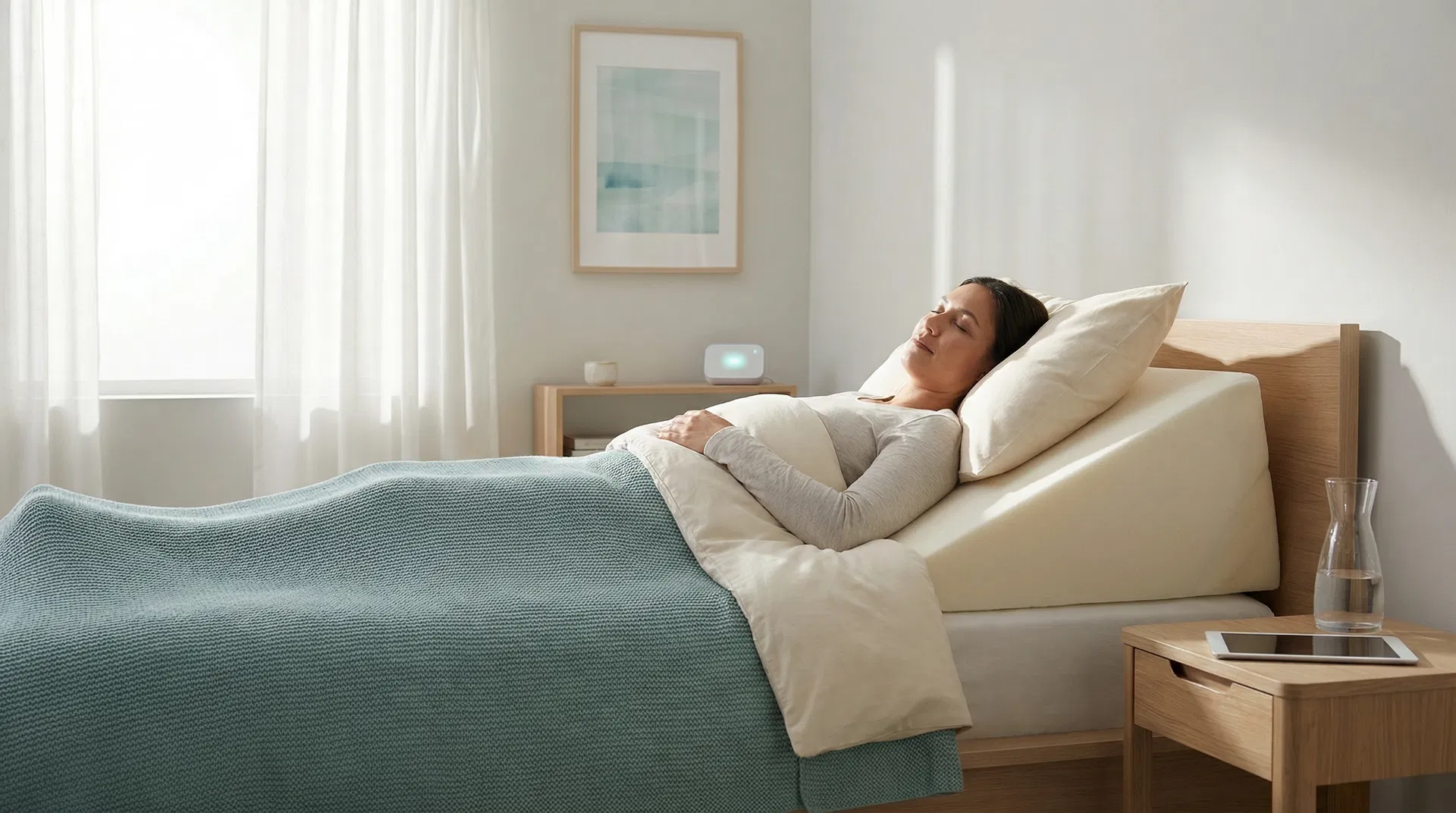
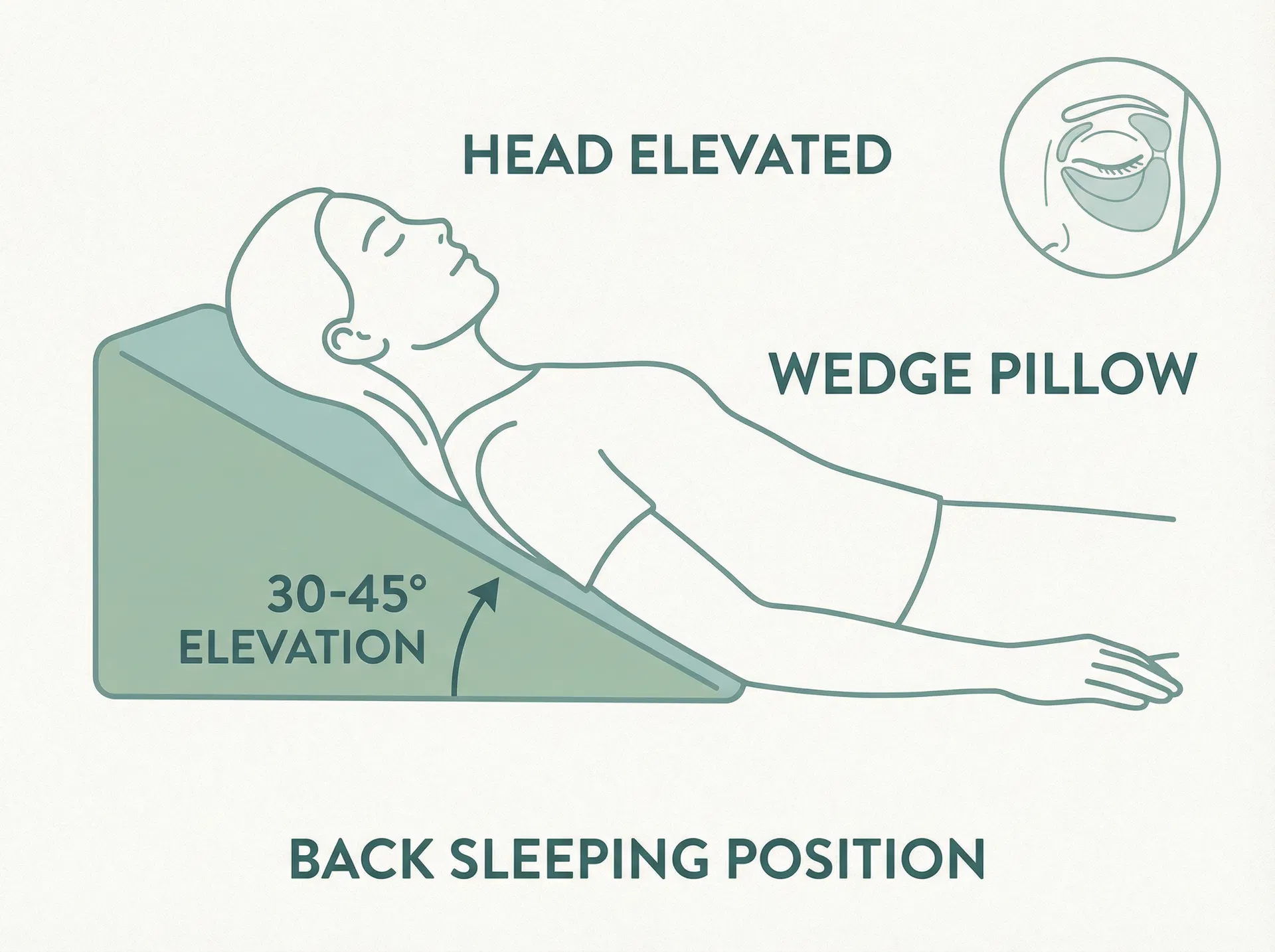
The safest and most recommended position after eyelid surgery is sleeping on your back with your head raised significantly higher than your heart. This positioning helps prevent fluid from collecting around the eyes and reduces swelling dramatically. Most patients find that maintaining a 30-45 degree elevation provides optimal comfort and healing.
To achieve this position comfortably, use a wedge pillow or stack extra firm pillows to create the necessary elevation. Many patients in Seattle neighborhoods like Capitol Hill, Ballard, and Queen Anne have found that sleeping slightly upright in a recliner feels more comfortable during the first few nights after surgery. This approach combines comfort with proper healing positioning, making it ideal for the critical initial recovery period.
Eyelid Surgery Recovery Timeline
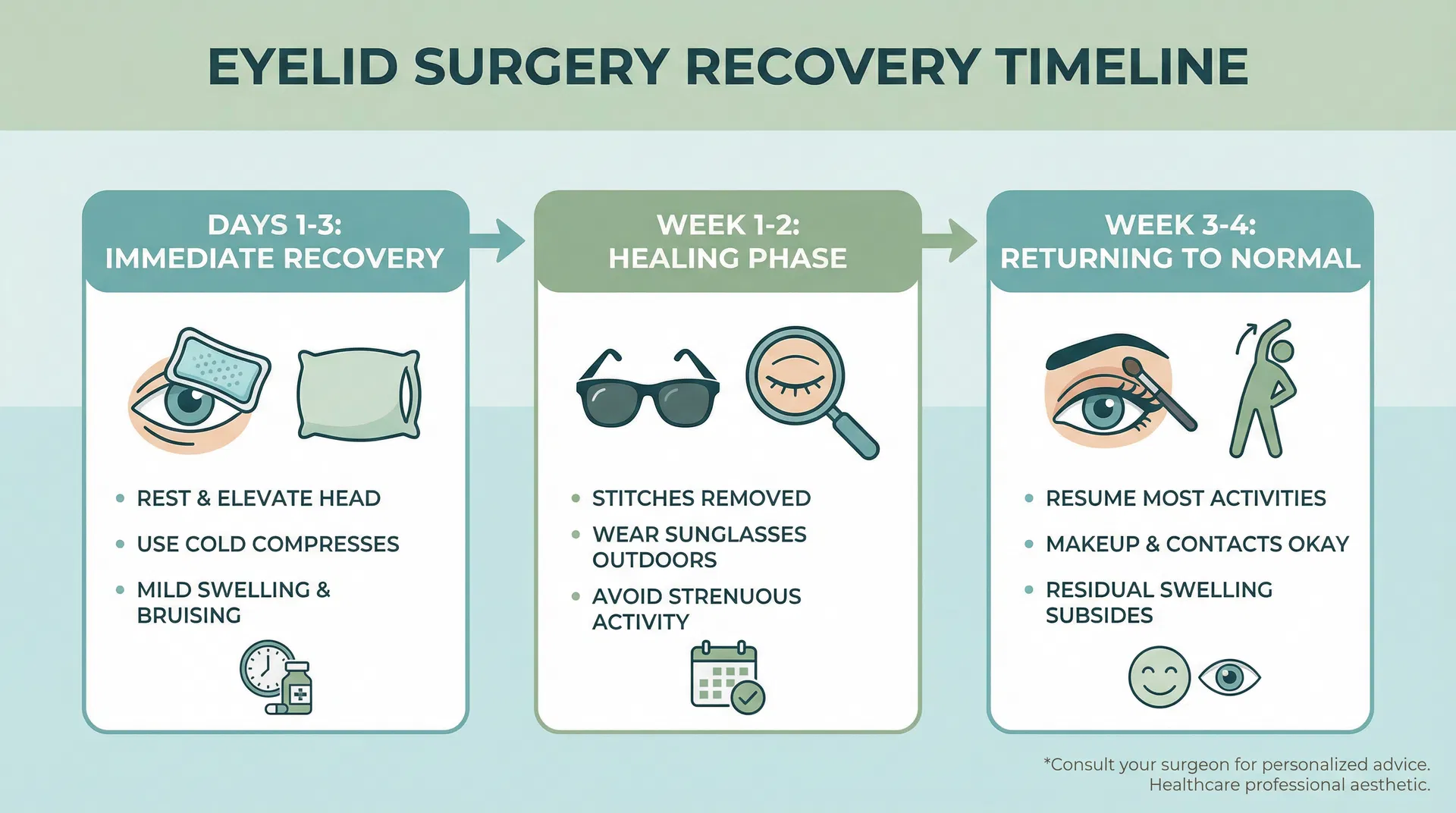
Most patients should maintain their head elevated while sleeping for at least one to two weeks after blepharoplasty seattle. The first 72 hours after surgery are the most critical for controlling swelling and preventing complications. During this period, strict elevation is essential—even brief periods of lying flat can cause noticeable swelling.
Duration of Elevated Sleep Position
Your surgeon will provide a custom timeline based on your individual healing progress. Factors such as the extent of surgery, your age, and your body's natural healing response all influence recovery duration. Regular follow-up appointments allow your facial plastic surgeons to monitor your progress and adjust recommendations accordingly. Never resume normal sleeping positions without explicit approval from your surgical team.
Preventing Unwanted Movement During Sleep
It's remarkably easy to roll over during the night without realizing it, potentially compromising your recovery. To maintain proper positioning throughout the night, place small pillows on each side of your head to create gentle barriers. Some patients find that using a travel neck pillow helps maintain alignment while reducing unwanted movement.
Consider securing yourself with a body pillow positioned along your side. This creates a comfortable barrier that encourages you to stay in the proper back-sleeping position. Some patients even use rolled towels or additional pillows to create a nest-like arrangement that keeps them centered and elevated. These simple techniques can make a significant difference in your recovery outcomes.
When Can You Return to Side Sleeping?
Most people can gradually return to side sleeping approximately 10-14 days after eyelid surgery, but only if swelling has substantially decreased and your surgeon provides explicit approval. Returning to side sleeping too early can apply uneven pressure on the healing eyelid and cause asymmetrical swelling that may affect your final results.
Even when you receive clearance to sleep on your side, do so cautiously. Start with brief periods and monitor for increased swelling. If you notice any adverse effects, return to elevated back sleeping immediately. Your surgeon's guidance is paramount—never assume you're ready for side sleeping based on how you feel. Professional assessment ensures you're truly ready for this transition.
What to Avoid After Eyelid Surgery
- •Never rub your eyes, as this can disrupt healing incisions and increase swelling
- •Avoid bending forward for extended periods, as this increases pressure in the eye area
- •Skip high-intensity workouts and strenuous activities until your surgeon provides clearance
- •Avoid salt-heavy meals that can cause water retention and increased swelling
- •Never sleep face-down, as this puts direct pressure on surgical sites
Accelerating Your Recovery: Tips from Facial Plastic Surgeons
Follow your aftercare instructions with precision—this is the fastest way to recover from upper eyelid surgery. Your recovery protocol typically includes using cold compresses during the first 48 hours to minimize swelling, maintaining your head elevated while sleeping, taking prescribed medications exactly as directed, and attending all follow-up appointments.
Healthy eating and proper hydration support faster healing at the cellular level. Consume foods rich in vitamin C and protein to support tissue repair. Stay well-hydrated but avoid excessive salt intake. Get adequate sleep in the proper position—this is when your body does most of its healing work. Many patients underestimate the importance of sleep quality and positioning in their recovery success.
Our Board-Certified Facial Plastic Surgeons

The Seattle Eyelid & Blepharoplasty Center is staffed by board-certified facial plastic surgeons with extensive experience in blepharoplasty seattle procedures. Dr. William Portuese is board certified in both Ear, Nose, and Throat Surgery and Facial Plastic and Reconstructive Surgery. Dr. Joseph Shvidler brings both surgical expertise and an artistic eye for beauty and symmetry to his work.
Our surgical team consists of four registered nurses with over 30 years of combined experience in facial plastic and reconstructive surgery. Board-certified physician anesthesiologists from Swedish Medical Center administer anesthesia, ensuring your safety and comfort throughout your procedure.